
How to prevent a data breach: 10 steps for small businesses
Ten steps to cut your breach risk, in priority order, from patching and phishing-resistant sign-in to vendor checks, backups and a written response plan.
Ten steps to cut your breach risk, in priority order, from patching and phishing-resistant sign-in to vendor checks, backups and a written response plan.

The five attacks most likely to hit a small business in 2026, what the latest FBI, Verizon and IBM data shows, and the steps that stop them.
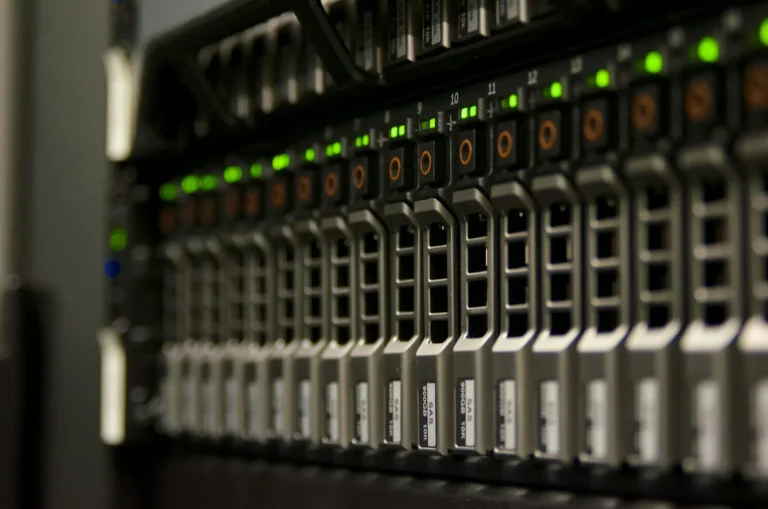
How to build backups that survive ransomware, hardware failure and hurricanes: the 3-2-1 rule, immutable copies, Microsoft 365 and restore testing.
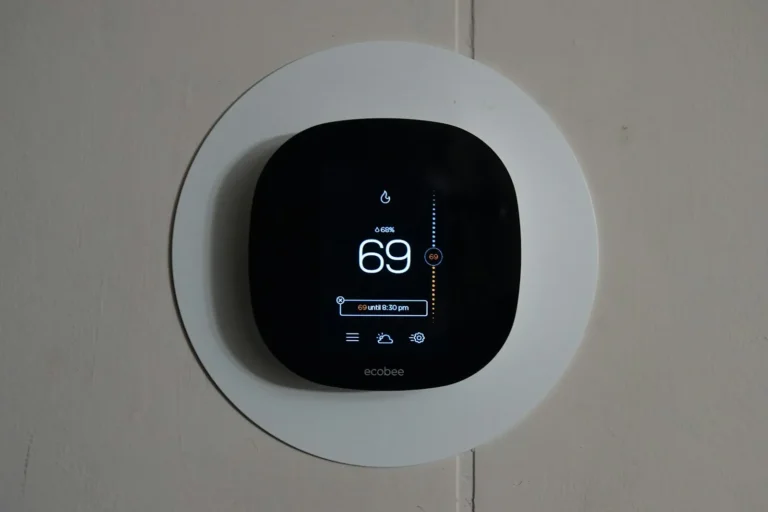
Cameras, TVs and smart thermostats are computers on your network. IoT device security starts with separate networks, unique passwords and patched firmware.

HHS proposed a major HIPAA Security Rule update in 2025. It is still not final, the target is now July 2027, and the current rule applies today.

Event logging shows what happened during an incident, and HIPAA and the FTC Safeguards Rule expect it. Log sign-ins, account changes and inbox rules first.

Malvertising is criminals buying search ads that look like your bank, your payroll site or a popular download. Bookmark logins and skip sponsored results.

What to do in the first hours and weeks after a data breach, the notification deadlines that apply, and the mistakes that make a bad day worse.

AI has made phishing emails, texts and calls harder to spot. Callback rules for payment changes, passkeys, email filtering and DMARC stop AI phishing.

Zero Trust means no user, device or connection is trusted by default. Small businesses start with MFA, device health checks and no everyday admin rights.
DMARC, SPF and DKIM stop criminals from spoofing your domain and keep your mail out of spam. Start at p=none, read the reports, then move to p=reject.
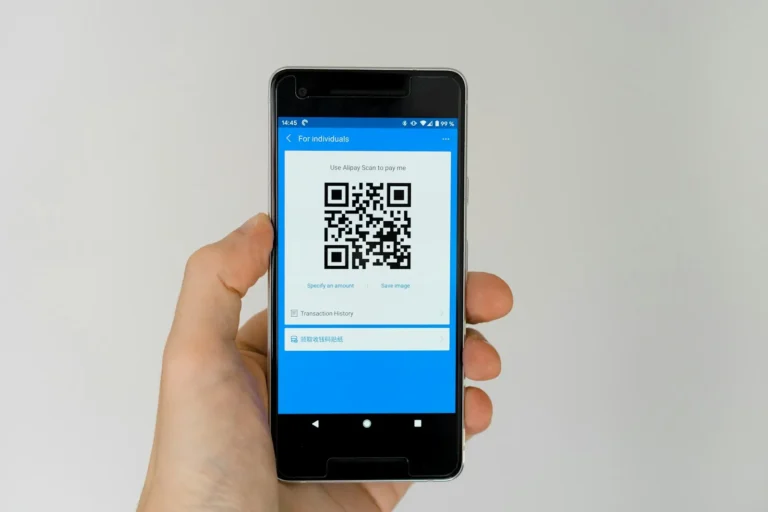
QR code phishing moves the attack from a monitored work computer to a personal phone. Preview the address and never sign in from a QR code.