
How smart IT boosts employee morale and keeps your best people
Slow laptops, clunky logins and day-one setup delays wear people down. Planned refreshes, passkeys and ready accounts make work easier to stay at.
Slow laptops, clunky logins and day-one setup delays wear people down. Planned refreshes, passkeys and ready accounts make work easier to stay at.
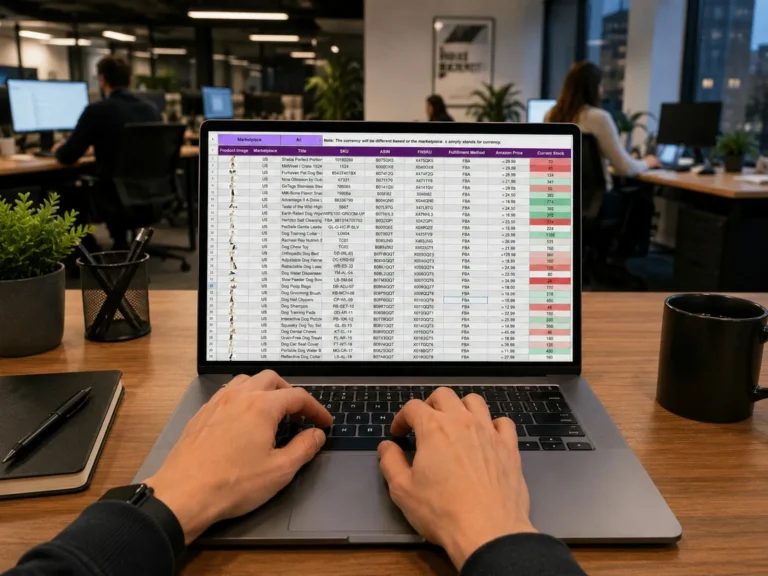
Why data quality and data governance matter for small business decisions, security and compliance, plus a simple framework to keep data accurate.

An IT checklist for new hires and seasonal staff: accounts, devices, MFA, least-privilege access and training, ready before day one.

Nearly half of breaches now involve a third party. A small business can list its vendors, rank them by risk, put security in contracts and limit access.
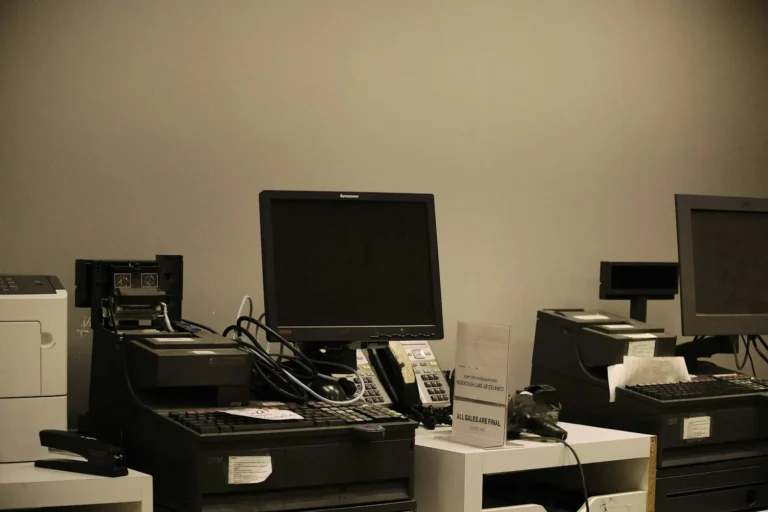
Signs a device is due for replacement, how to plan refresh cycles and budgets, and why unsupported systems are a security and compliance problem.

How long to keep tax, HR, patient and client records, when to delete them, and how to put a simple retention policy in place without guesswork.

What a small business cyber policy usually pays for, the exclusions that catch owners out, and the security controls insurers now expect.

Where small businesses can use Copilot, chat tools and simple automation to save time, plus the guardrails that keep client data safe.
What current NIST guidance says about passwords, which kinds of MFA actually stop attackers, and how to move your team toward passkeys in 2026.
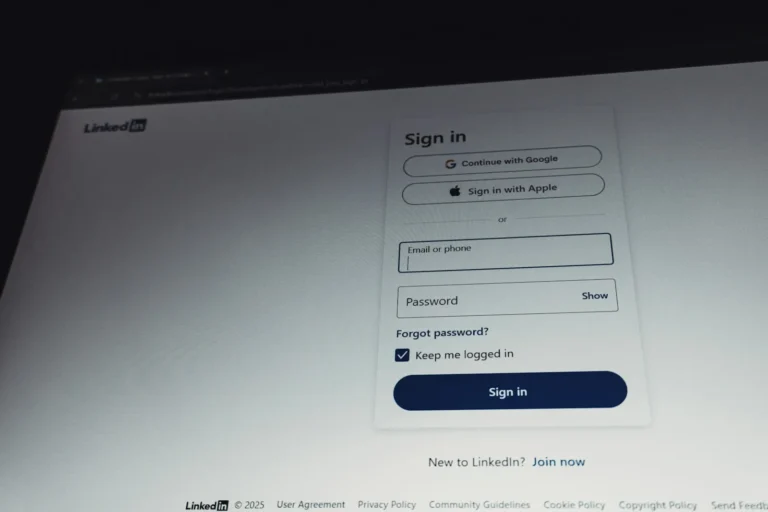
Password spraying tries a few common passwords against many accounts to dodge lockouts. MFA, blocking legacy sign-in and banned passwords shut it down.
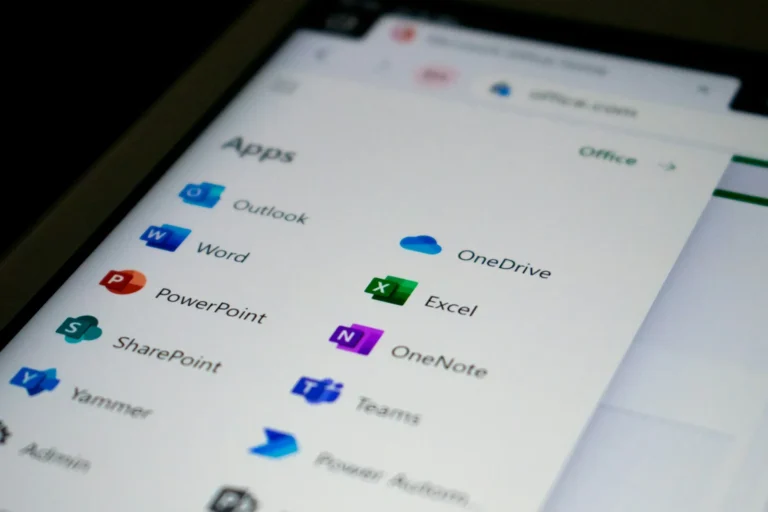
Ten Microsoft 365 tips for 2026, from using Copilot Chat safely to cleaner pasting, safer file sharing and one-click phishing reports.
Ransomware is one kind of malware, built to extort a payment. Most malware hides; ransomware locks files and leaves a note, so the first hour differs.