Strategies for Effective IT Governance
Implementing effective IT governance is crucial for organizations to align their IT strategy with business goals. This involves establishing frameworks that ensure IT investments deliver value while managing risks associated with technology use.
Organizations can adopt various strategies, such as creating a governance committee, defining clear roles and responsibilities, and utilizing performance metrics to assess IT initiatives. For example, regular reviews of IT projects can help identify areas for improvement and ensure compliance with industry regulations.
The Role of Cybersecurity in Business Continuity Planning
Cybersecurity plays a pivotal role in business continuity planning by safeguarding critical assets and ensuring operational resilience against cyber threats. A robust cybersecurity framework helps organizations prepare for, respond to, and recover from incidents that could disrupt business operations.
Effective business continuity plans incorporate cybersecurity measures such as risk assessments, incident response strategies, and employee training programs. For instance, conducting tabletop exercises can help teams practice their response to potential cyber incidents, ensuring they are well-prepared to maintain continuity in the face of threats.
Integrating AI into Business Operations
Integrating AI into business operations can significantly enhance efficiency and decision-making processes. By leveraging AI technologies, businesses can automate routine tasks, analyze large datasets, and gain insights that drive strategic initiatives.
For example, AI-powered analytics tools can help organizations identify trends in customer behavior, leading to more informed marketing strategies. Additionally, implementing AI solutions requires careful planning to ensure alignment with existing workflows and to address potential challenges related to data privacy and ethical considerations.
Evaluating the Impact of Cloud Solutions on Business Growth
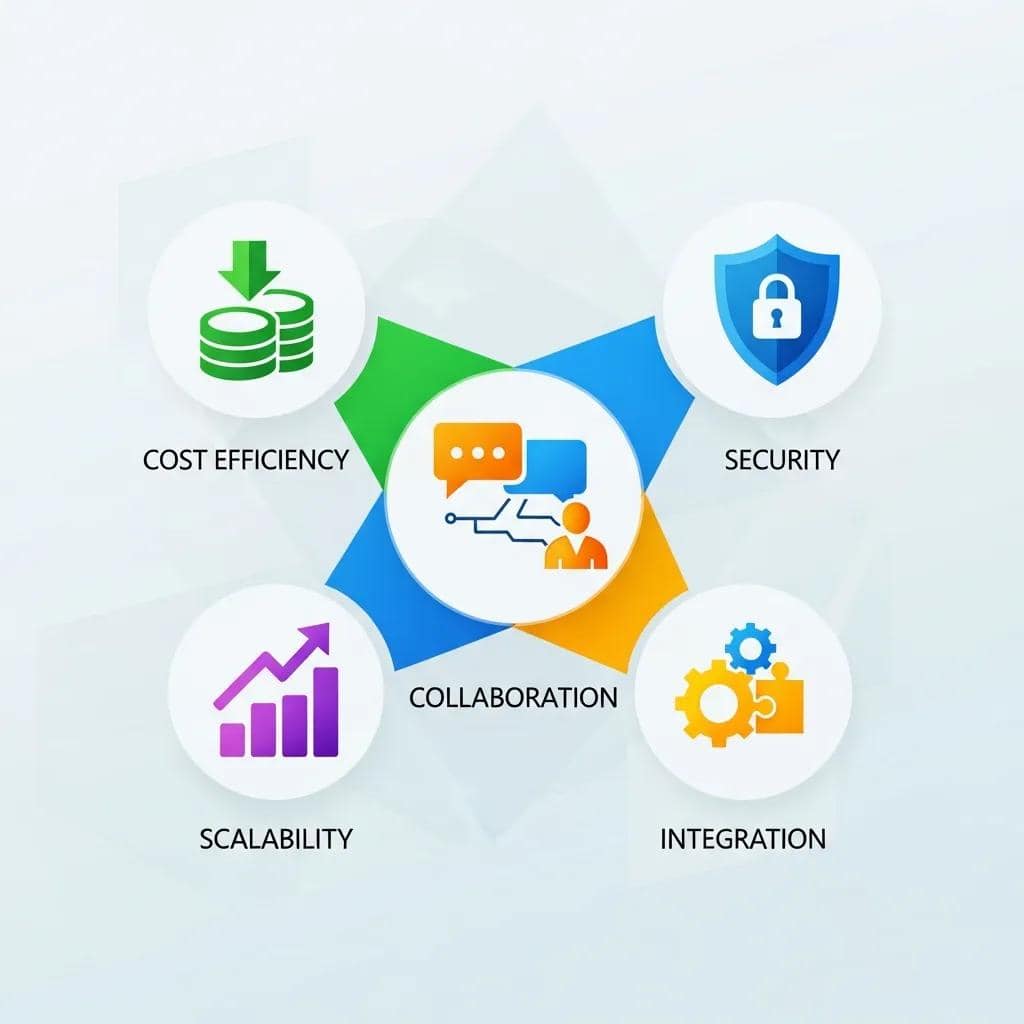
Cloud solutions have transformed the way businesses operate, offering scalable resources that can adapt to changing needs. Evaluating the impact of cloud adoption on business growth involves analyzing factors such as cost savings, operational efficiency, and improved collaboration.
Organizations that successfully leverage cloud technologies often report increased agility and the ability to innovate faster. For instance, companies can deploy new applications quickly and access real-time data, enabling them to respond promptly to market changes and customer demands.