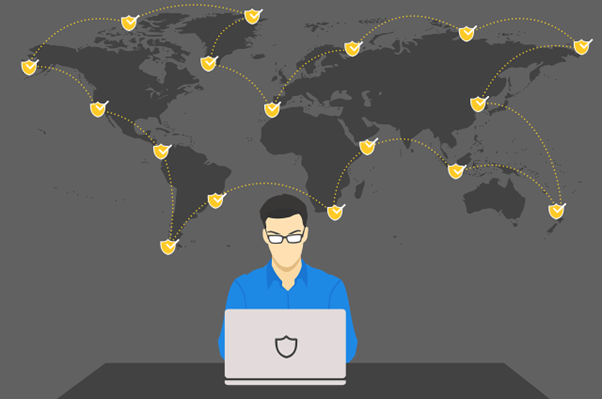
Cybersecurity Best Practices for Small Businesses
Small businesses often face unique cybersecurity challenges due to limited resources and expertise. Implementing essential cybersecurity best practices can significantly enhance their defenses against potential threats. This includes regular software updates, the use of strong passwords, and employee training on recognizing phishing attempts.
For instance, small businesses should consider adopting multi-factor authentication and regularly backing up their data to secure locations. Additionally, leveraging cybersecurity frameworks such as the NIST Cybersecurity Framework can guide small businesses in establishing a robust security posture that evolves with emerging threats.
The Role of Cyber Insurance in Risk Management
Cyber insurance has become an essential component of risk management for businesses of all sizes. It provides financial protection against cyber incidents, including data breaches and ransomware attacks, helping organizations recover from losses more effectively. Understanding the coverage options available is crucial for making informed decisions.
For example, many policies cover costs related to legal fees, notification expenses, and public relations efforts following a breach. Businesses should evaluate their specific risks and consider cyber insurance as a proactive measure to mitigate potential financial impacts from cyber threats.
How to Conduct a Cybersecurity Risk Assessment
Conducting a cybersecurity risk assessment is vital for identifying vulnerabilities within an organization’s systems and processes. This systematic approach helps businesses understand their risk exposure and prioritize security measures accordingly. It involves evaluating assets, potential threats, and the impact of potential incidents.
Organizations can utilize various methodologies, such as qualitative and quantitative assessments, to gather data and analyze risks effectively. By implementing regular assessments, businesses can adapt their cybersecurity strategies to address evolving threats and ensure compliance with industry regulations.
Future-Proofing Your Cybersecurity Strategy
As technology continues to advance, future-proofing your cybersecurity strategy is essential to staying ahead of cybercriminals. This involves not only adopting the latest security technologies but also fostering a culture of security awareness within the organization. Continuous education and adaptability are key components of an effective strategy.
For instance, organizations should regularly review and update their cybersecurity policies and procedures to reflect new threats and technologies. Engaging in threat intelligence sharing and collaborating with industry peers can also enhance an organization's resilience against future cyber threats.