Implementing Effective Cybersecurity Strategies
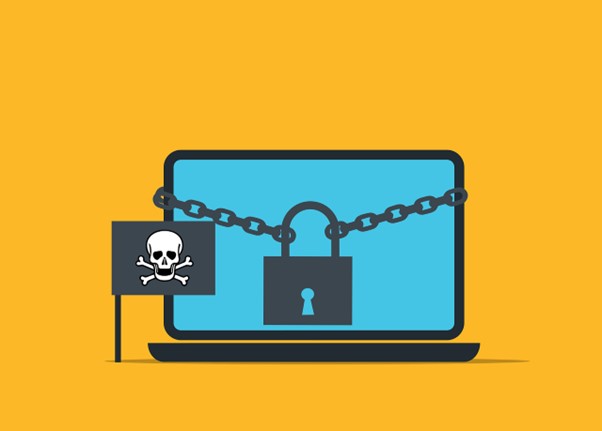
To safeguard your business from cyber threats, it is crucial to implement effective cybersecurity strategies. This involves not only using advanced security tools but also fostering a culture of security awareness among employees. Regular training sessions can help staff recognize phishing attempts and other common threats, significantly reducing the risk of breaches.
Additionally, establishing a comprehensive cybersecurity policy that includes incident response plans and regular security audits can further strengthen your defenses. For example, organizations that conduct routine vulnerability assessments are often better prepared to mitigate potential attacks before they occur, ensuring operational continuity and protecting sensitive data.
Optimizing IT Infrastructure for Business Growth
Optimizing your IT infrastructure is essential for supporting business growth and enhancing operational efficiency. This includes upgrading hardware and software, implementing cloud solutions, and ensuring that your network is scalable to meet future demands. A well-structured IT environment can lead to improved productivity and reduced downtime.
For instance, businesses that migrate to cloud-based solutions often experience increased flexibility and lower costs, as they can easily adjust resources based on their current needs. By leveraging technologies such as virtualization and automation, organizations can streamline processes and allocate IT resources more effectively, driving growth and innovation.
Understanding the Importance of Data Backup Solutions
Data backup solutions are a critical component of any IT strategy, ensuring that essential business information is protected against loss or corruption. Regularly scheduled backups can safeguard against data breaches, hardware failures, and natural disasters, allowing businesses to recover quickly and maintain operations.
Moreover, adopting a multi-layered backup approach, which includes both on-site and off-site storage solutions, can provide an additional layer of security. For example, utilizing cloud backup services alongside local backups ensures that data remains accessible even in the event of a catastrophic failure, minimizing downtime and protecting business continuity.
The Role of Managed IT Services in Business Efficiency
Managed IT services play a pivotal role in enhancing business efficiency by providing expert support and proactive management of IT systems. By outsourcing IT functions to a managed service provider, businesses can focus on their core operations while benefiting from improved system performance and reduced operational costs.
For instance, managed IT services often include 24/7 monitoring, regular maintenance, and timely updates, which can prevent potential issues before they escalate. Companies that engage managed services typically report higher levels of satisfaction with their IT infrastructure, as these services allow for a more strategic approach to technology management and resource allocation.