
Wahaya IT
  • (225) 273-1206
  • About Us
  • Contact
  • Solutions
    • Artificial Intelligence
    • Business Continuity
    • Cloud Migration
    • Compliance
    • Cybersecurity
    • Digital Marketing
    • Lifecycle Management
    • Managed Print Services
    • Managed Services
    • Microsoft 365
    • Video Surveillance
    • Unified Communications
  • Tech Tips
  • Client Portal
Select Page
All About The New U.S. Cyber Trust Mark                  

All About The New U.S. Cyber Trust Mark                  

Apr 21, 2025 | Business Continuity, Cybersecurity

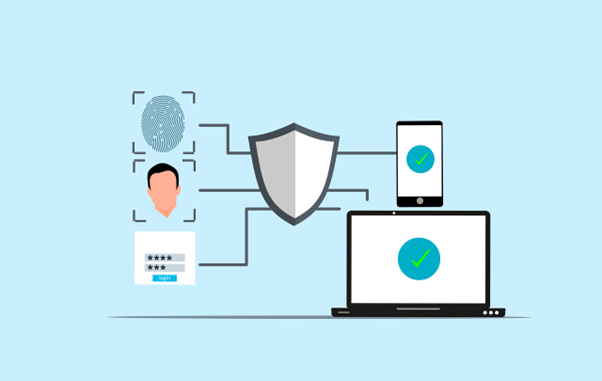
The Cyber Trust Mark is a new smart device label created by the US government to prove that a device is safe. Internet of Things (IOT) devices have risen in popularity recently. Devices like smart thermostats and baby monitors make our lives easier, but also open us...

Latest Tech & Cybersecurity Insights from Wahaya IT

  • Your Team Is Using AI Tools—But Is Your Business Protected?May 22, 2026
  • How Wahaya IT Uses AI to Deliver Faster, Smarter IT SupportApril 24, 2026
  • Essential Cybersecurity Solutions for Baton Rouge BusinessesApril 15, 2026
  • Modern office collaboration with unified communications tools
    Unified Communications Solutions for Baton Rouge BusinessesApril 13, 2026
  • Cybersecurity Solutions for Baton Rouge BusinessesApril 12, 2026

Categories

  • About Us
  • Artificial Intelligence
  • Business Continuity
  • Cloud Solutions
  • Compliance
  • Cybersecurity
  • Digital Marketing
  • Lifecycle Management
  • Managed Print
  • Managed Services
  • Microsoft 365
  • Solutions
  • Technology Trends
  • Unified Communications
  • Video Surveillance

Archive

  • May 2026 (1)
  • April 2026 (9)
  • March 2026 (2)
  • February 2026 (2)
  • January 2026 (4)
  • December 2025 (34)
  • November 2025 (2)
  • October 2025 (2)
  • September 2025 (1)
  • August 2025 (3)
  • July 2025 (3)
  • June 2025 (2)
  • May 2025 (5)
  • April 2025 (5)
  • March 2025 (3)
  • February 2025 (4)
  • January 2025 (3)
  • December 2024 (4)
  • November 2024 (4)
  • October 2024 (4)
  • September 2024 (3)
  • August 2024 (3)
  • July 2024 (4)
  • June 2024 (2)
  • May 2024 (4)
  • April 2024 (3)
  • March 2024 (4)
  • February 2024 (4)
  • January 2024 (4)
  • December 2023 (3)
  • November 2023 (3)
  • October 2023 (5)
  • September 2023 (4)
  • August 2023 (4)
  • July 2023 (5)
  • June 2023 (3)
  • May 2023 (4)
  • April 2023 (4)
  • March 2023 (4)
  • February 2023 (4)
  • January 2023 (4)
  • December 2022 (3)
  • November 2022 (4)
  • October 2022 (5)
  • September 2022 (1)
  • August 2022 (1)
  • July 2022 (1)
  • June 2022 (2)
  • March 2022 (2)
  • January 2022 (5)
  • December 2021 (3)
  • October 2021 (2)
  • September 2021 (2)
  • July 2021 (1)
  • June 2021 (1)
  • April 2021 (5)
  • March 2021 (2)
  • January 2021 (7)
  • December 2020 (5)
  • November 2020 (2)
  • October 2020 (1)
  • September 2020 (8)
  • August 2020 (2)
  • July 2020 (4)
  • June 2020 (3)
  • April 2020 (1)
  • March 2020 (2)
  • February 2020 (5)
  • January 2020 (8)
  • December 2019 (11)
  • September 2019 (1)
  • August 2019 (2)
  • June 2019 (1)
  • April 2019 (1)
  • June 2018 (2)
  • May 2018 (3)
  • April 2018 (2)
  • February 2018 (1)
  • January 2018 (5)
  • December 2017 (3)
©2025 WAHAYA LLC. ALL RIGHTS RESERVED UNLESS OTHERWISE STATED. - PRIVACY POLICY

4229 NORTH BOULEVARD, BATON ROUGE, LA 70806

Understanding Cybersecurity Risks in Smart Devices

As smart devices become integral to our daily lives, it is essential to comprehend the cybersecurity risks they pose. Many of these devices, which often lack robust security measures, can be vulnerable to various types of cyberattacks. Understanding these risks helps consumers make informed decisions about the devices they choose to integrate into their homes.

For instance, devices like smart speakers and connected appliances can be exploited by hackers through unsecured networks. By being aware of these vulnerabilities, users can take proactive steps to enhance their device security, such as changing default passwords and enabling two-factor authentication where possible.

Evaluating the Impact of the Cyber Trust Mark

The Cyber Trust Mark is designed to provide consumers with a level of assurance regarding the security of their smart devices. By evaluating the impact of this mark, users can better understand how it influences their purchasing decisions and the overall market for IoT devices. This label aims to simplify the complex landscape of device security by highlighting those that meet government standards.

Research indicates that consumers are more likely to choose products with recognized security certifications, such as the Cyber Trust Mark. This trend not only enhances consumer confidence but also encourages manufacturers to prioritize cybersecurity in their product development processes, ultimately leading to safer devices in the market.

Steps to Verify Device Security Compliance

Verifying the security compliance of smart devices is crucial for ensuring their safety in a connected environment. Consumers should actively seek information about a device's security features, including whether it adheres to recognized standards like the Cyber Trust Mark. This process can help mitigate potential risks associated with using unsecured devices.

To verify compliance, users can look for third-party certifications, read product reviews, and consult resources that provide insights into device security. Additionally, manufacturers often publish security documentation that outlines their commitment to protecting user data and device integrity.

Common Misconceptions About IoT Security

There are several misconceptions surrounding the security of Internet of Things (IoT) devices that can lead to complacency among consumers. A prevalent belief is that all smart devices are inherently secure due to their modern technology, which is far from the truth. Many devices are released with minimal security features, making them susceptible to attacks.

Another misconception is that security updates are automatically applied to all devices. In reality, many manufacturers do not provide regular updates, leaving devices vulnerable over time. Educating consumers about these misconceptions is vital for fostering a culture of cybersecurity awareness and responsibility in the IoT space.