Understanding the Risks of Weak Passwords
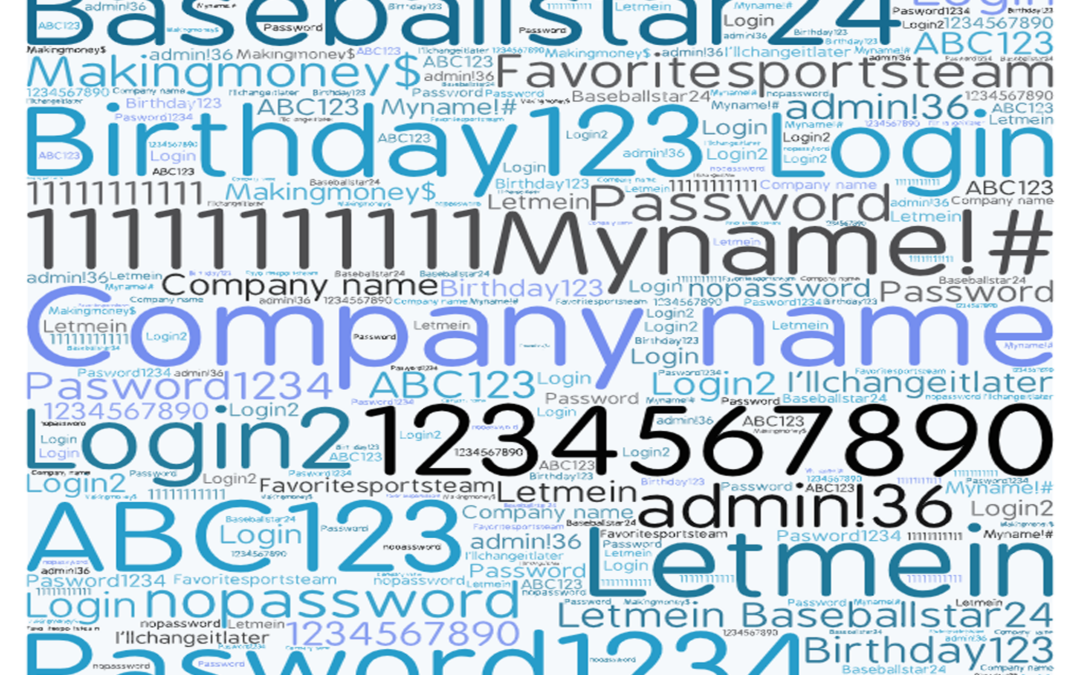
Weak passwords pose significant risks to both personal and organizational security. Cybercriminals often exploit common patterns, such as using easily guessable information like birthdays or simple sequences, to gain unauthorized access to sensitive accounts. Understanding these risks is crucial for fostering a culture of cybersecurity awareness.
For instance, a 2021 study revealed that over 80% of data breaches were linked to weak or stolen passwords. By educating users on the importance of creating complex passwords and regularly updating them, organizations can significantly mitigate the threat posed by cyber attacks. Encouraging practices such as using passphrases or random character combinations can enhance overall security.
Implementing Password Policies in the Workplace
Establishing robust password policies is essential for organizations to safeguard their digital assets. These policies should outline best practices for creating, managing, and updating passwords, ensuring that all employees understand their role in maintaining security. Clear guidelines can help prevent common vulnerabilities that arise from poor password management.
For example, organizations may implement policies that require passwords to be at least 12 characters long, include a mix of letters, numbers, and symbols, and mandate regular updates every three to six months. Additionally, training sessions on password security can empower employees to adopt better practices, thereby reducing the risk of breaches caused by human error.
The Role of Password Managers in Cybersecurity
Password managers play a pivotal role in enhancing cybersecurity by simplifying the process of creating and storing strong, unique passwords for different accounts. These tools not only help users manage their credentials but also provide features such as password generation and security audits, which can identify weak or reused passwords.
Moreover, many password managers offer encrypted storage and multi-device synchronization, ensuring that users can access their passwords safely across various platforms. By leveraging these tools, individuals and businesses can significantly improve their cybersecurity posture, making it more challenging for cybercriminals to exploit weak password practices.
Future Trends in Password Management
The landscape of password management is continually evolving, with emerging technologies and practices shaping how users secure their online identities. Innovations such as biometric authentication and passwordless login systems are gaining traction, offering more secure alternatives to traditional password-based access.
As organizations seek to enhance their security measures, the integration of artificial intelligence in password management tools is also on the rise. AI can help in identifying potential threats and automating security protocols, making it easier for users to maintain strong password practices while minimizing the risk of breaches.