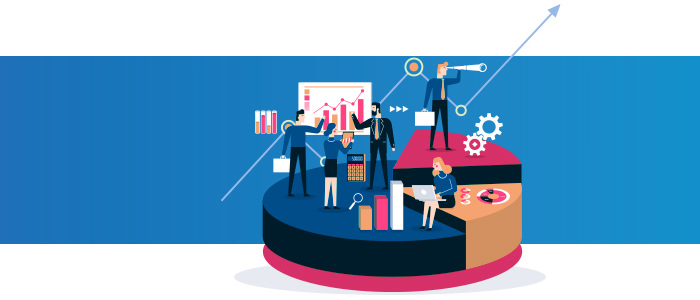
Maximizing Your IT Strategy for Business Continuity
In today's rapidly changing technological landscape, having a robust IT strategy is essential for business continuity. Organizations must assess their current IT infrastructure and identify potential vulnerabilities that could disrupt operations. By implementing a comprehensive IT strategy, businesses can ensure they are prepared for unforeseen challenges, maintaining productivity and service delivery.
For instance, incorporating cloud solutions can enhance data accessibility and security, allowing teams to work remotely without compromising on performance. Additionally, regular IT audits and updates can help identify weaknesses, enabling proactive measures to mitigate risks before they escalate into significant issues.
Understanding the Importance of Cloud Services
Cloud services play a pivotal role in modern business operations, providing scalability, flexibility, and cost-efficiency. By migrating to cloud-based solutions, organizations can streamline their processes and enhance collaboration among teams, regardless of their physical location. Understanding the nuances of cloud services is crucial for making informed decisions that align with business goals.
For example, cloud services can facilitate real-time data sharing and backup, ensuring that critical information is always accessible and secure. Moreover, businesses can leverage various cloud models—public, private, or hybrid—to tailor their IT solutions according to specific needs and compliance requirements.
Key Considerations When Implementing IT Solutions
Implementing IT solutions requires careful planning and consideration to align with organizational objectives. Businesses should evaluate their unique needs, budget constraints, and the potential return on investment (ROI) when selecting IT solutions. This strategic approach ensures that the technology adopted supports overall business goals effectively.
Moreover, engaging stakeholders in the decision-making process can lead to better outcomes, as different perspectives can highlight essential requirements and potential challenges. Conducting thorough research and consulting with IT professionals can further enhance the selection process, ensuring that the chosen solutions are both effective and sustainable.
Future Trends in IT and Business Continuity
As technology continues to evolve, staying ahead of future trends is vital for maintaining business continuity. Emerging technologies such as artificial intelligence (AI), machine learning, and the Internet of Things (IoT) are reshaping how businesses operate, offering new opportunities for efficiency and innovation. Understanding these trends can help organizations adapt and thrive in a competitive landscape.
For instance, AI-driven analytics can provide insights into operational efficiency, allowing businesses to make data-driven decisions that enhance performance. Similarly, IoT devices can improve monitoring and management of resources, leading to optimized workflows and reduced downtime. By embracing these advancements, organizations can fortify their business continuity strategies and remain resilient in the face of change.