Jul 17, 2023 | Business Continuity, Cybersecurity
In recent years, electronic mail (email for short) has become essential to our daily lives. Many people use it for various purposes, including business transactions. With the increasing dependence on digital technology, cybercrime has grown. A significant cyber threat...
Mar 20, 2023 | Cybersecurity, Solutions
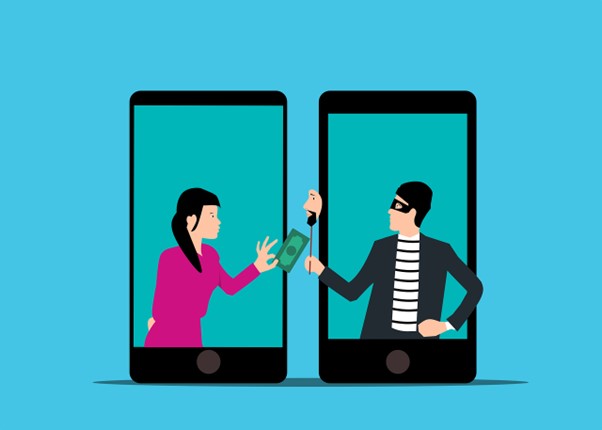
Imagine you’re going about your day when suddenly you receive a text from the CEO. The head of the company is asking for your help. They’re out doing customer visits, and someone else dropped the ball in providing gift cards. So, the CEO needs you to buy...Phishing scams are one of the most prevalent threats in the cybersecurity landscape today. These scams often involve fraudulent emails or messages that appear to come from reputable sources, tricking individuals into providing sensitive information such as passwords or financial details.
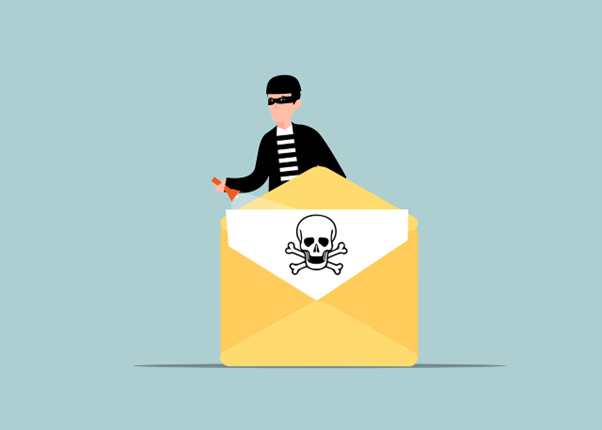
To protect yourself from phishing attacks, always verify the sender's email address and be cautious of unsolicited messages that request personal information. Utilizing email filters and security software can also help detect and block phishing attempts before they reach your inbox.
Social engineering tactics exploit human psychology to manipulate individuals into revealing confidential information. This can include tactics such as impersonation, urgency, or emotional appeals, making it essential for individuals to be aware of these strategies to safeguard their data.
Examples of social engineering include phone calls from individuals posing as IT support or urgent emails claiming that immediate action is required. Training employees on these tactics can significantly reduce the risk of falling victim to such schemes.
Multi-Factor Authentication (MFA) adds an additional layer of security by requiring users to provide two or more verification factors to gain access to an account. This significantly decreases the likelihood of unauthorized access, even if passwords are compromised.
For instance, after entering a password, users may need to confirm their identity through a text message or email link. Implementing MFA across all accounts, especially those containing sensitive information, is a critical step in enhancing cybersecurity defenses.
Staying informed about the latest cybersecurity threats and prevention strategies is crucial in today's digital environment. Numerous resources are available, including online courses, webinars, and articles that provide valuable insights into emerging trends and best practices.
Organizations like the Cybersecurity & Infrastructure Security Agency (CISA) and various cybersecurity blogs offer free resources to help individuals and businesses remain vigilant against cyber threats. Regularly engaging with these materials can empower users to make informed decisions regarding their cybersecurity measures.