Essential Cybersecurity Tools for Businesses
To effectively safeguard your business from cyber threats, it's crucial to utilize a range of cybersecurity tools. These tools include firewalls, antivirus software, and intrusion detection systems, which work together to create a robust defense against potential attacks. Additionally, employing endpoint protection solutions helps secure devices that connect to your network, ensuring comprehensive coverage.
For example, a firewall acts as a barrier between your internal network and external threats, while antivirus software scans for and removes malicious programs. Many businesses also benefit from using a security information and event management (SIEM) system, which provides real-time analysis of security alerts generated by applications and network hardware, allowing for proactive threat management.
Implementing a Zero-Trust Security Model
The zero-trust security model is gaining traction among businesses as a proactive approach to cybersecurity. This model operates on the principle of "never trust, always verify," meaning that every user and device must be authenticated and authorized before gaining access to resources. Implementing zero-trust can significantly reduce the risk of data breaches and unauthorized access.
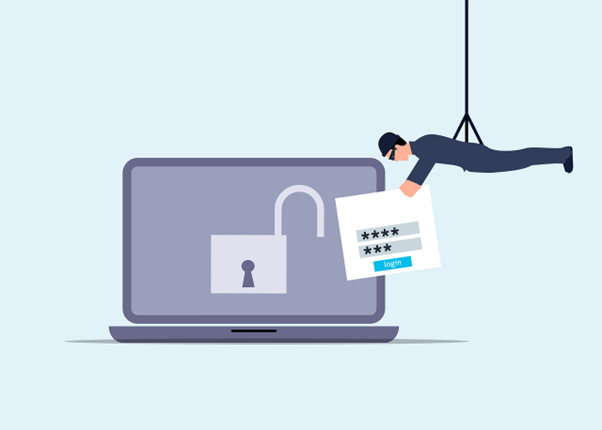
For instance, businesses can implement multi-factor authentication (MFA) to ensure that users provide multiple forms of verification before accessing sensitive data. Additionally, segmenting networks and limiting user permissions based on roles can further enhance security, making it difficult for attackers to move laterally within the network if they manage to breach a single point of entry.
Employee Training: The First Line of Defense
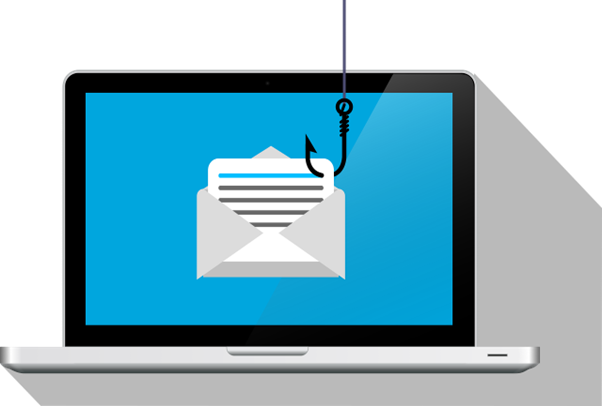
Investing in employee training is essential for any cybersecurity strategy, as human error is often the weakest link in security. Regular training sessions can educate employees on recognizing phishing attempts, understanding the importance of strong passwords, and following safe internet practices. This proactive approach empowers employees to be vigilant and responsive to potential threats.
For example, conducting simulated phishing exercises can help employees identify suspicious emails and improve their response to real threats. Furthermore, fostering a culture of cybersecurity awareness encourages employees to report potential security incidents, creating an informed workforce that contributes to the overall security posture of the organization.
The Role of Compliance in Cybersecurity
Compliance with industry regulations is a critical aspect of a robust cybersecurity strategy. Many businesses are required to adhere to standards such as GDPR, HIPAA, or PCI DSS, which dictate how sensitive information should be handled and protected. Ensuring compliance not only helps avoid legal penalties but also builds trust with customers and partners.
For instance, organizations must implement specific data protection measures, conduct regular audits, and maintain detailed records of data processing activities to comply with these regulations. By prioritizing compliance, businesses can enhance their cybersecurity frameworks while also demonstrating their commitment to safeguarding customer data.