
Comprehensive Managed Network Security and Support Services for Small Businesses in Baton Rouge
Why is Network Security Essential for Small Businesses in Baton Rouge?
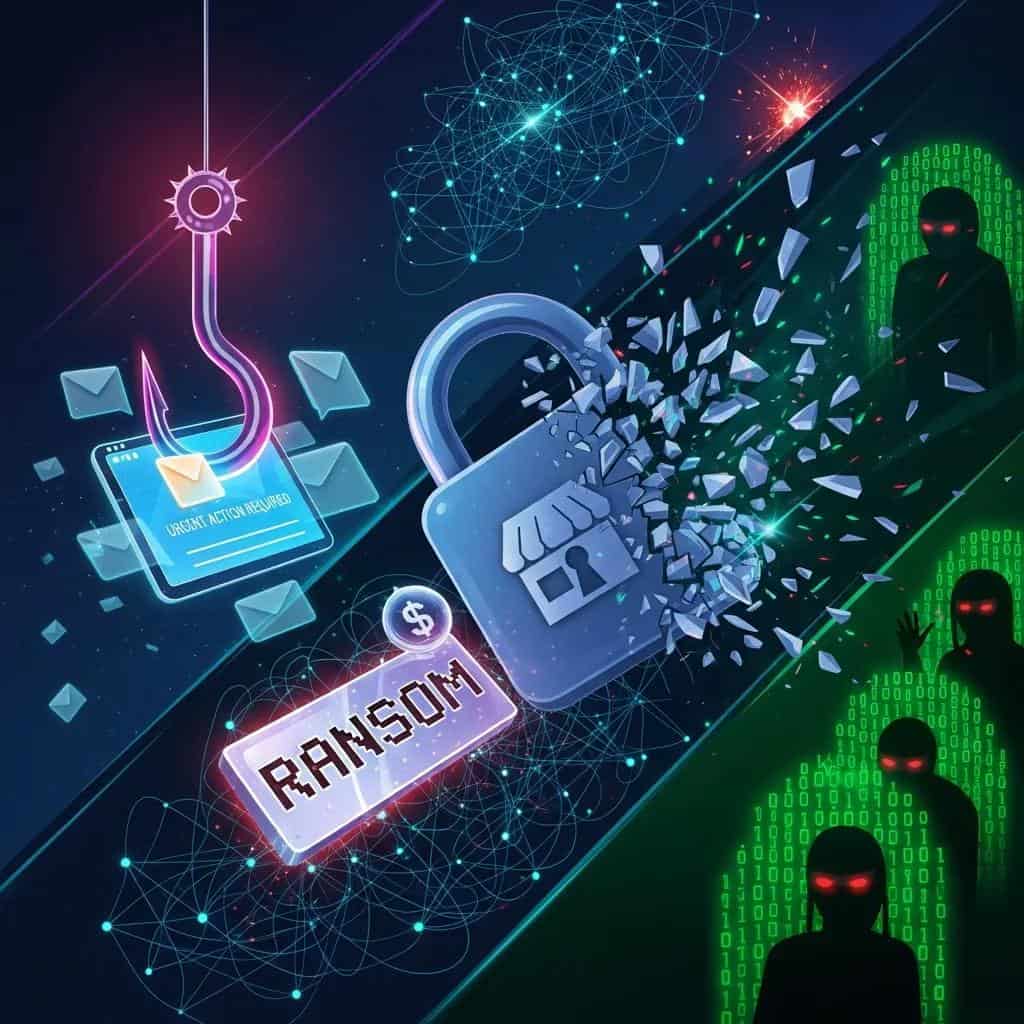
What are the common cyber threats targeting SMBs?
How does network security prevent costly data breaches and downtime?
How Does Wahaya IT Deliver Proactive Managed Network Security?
What is the Managed Intelligence Provider approach combining AI and managed services?
| Security Component | Primary Function | Management Model |
|---|---|---|
| Managed Firewall | Traffic filtering, IPS/IDS, policy enforcement | Fully managed with periodic tuning |
| Endpoint Protection | AV/EDR, patch management, device control | Managed with alerting and response |
| Threat Intelligence | Contextual enrichment of alerts | Continuous feed integrated into SOC |
| Vulnerability Scanning | Identify configuration and patch gaps | Scheduled scans with remediation workflow |
How do managed firewall and endpoint protection services safeguard your network?
What Network Support Solutions Ensure Reliable Business Operations?
How does 24/7 network monitoring and quick break-fix support benefit SMBs?
- 24/7 Monitoring: Provides continuous visibility and early detection of faults and threats.
- Break-Fix Response: Restores operations quickly through prioritized remediation workflows.
- Lifecycle Management: Reduces hardware failure risk by planning refreshes and maintenance.
- Secure Remote Access: Enables safe offsite work through VPN or zero-trust access models.
| Support Offering | Response Time Expectation | Included Features |
|---|---|---|
| Basic Monitoring | 8 business hours | Alerting, dashboard access |
| Standard Managed | 4 hours | Monitoring, patching, remote remediation |
| Premium Managed | 1 hour | 24/7 monitoring, priority break-fix, lifecycle planning |
What role does secure remote access via VPN play in modern business networks?
How Can Small Businesses Achieve Cybersecurity Compliance in Baton Rouge?
Which industry regulations affect SMBs and how does Wahaya IT assist compliance?
- Assess: Conduct a gap analysis to identify missing controls and documentation.
- Implement: Deploy technical and administrative controls to close gaps.
- Document: Produce policies, procedures, and evidence to support audits.
- Monitor: Maintain logging and review processes to demonstrate continuous compliance.
What are the benefits of audit preparation and ongoing compliance management?
What Strategies Enhance Business Continuity Through Data Backup and Disaster Recovery?

How do cloud backup solutions protect against data loss?
| Backup Option | RTO Typical | RPO Typical | Best Use Case |
|---|---|---|---|
| On-site Backup | Minutes–hours | Near-zero | Fast restores for local failures |
| Cloud Backup | Hours–days | Minutes–hours | Off-site resilience and versioning |
| Hybrid Backup | Minutes–hours | Minutes | Balanced speed and redundancy |
What are best practices for disaster recovery and business continuity planning?
How Does Security Awareness Training Strengthen Your Network Defense?
Why is employee education critical to preventing phishing and social engineering attacks?
- Simulated Phishing: Realistic exercises that identify at-risk users and target follow-up training.
- Microlearning Modules: Short, frequent lessons that reinforce specific behaviors without overwhelming staff.
- Live Workshops: Role-based sessions that address high-risk functions and incident response steps.
- Metrics Reporting: Track click rates, report rates, and remediation outcomes to guide program improvements.