


Cyber Insurance 101: A Complete Guide for Baton Rouge Small Businesses

In an increasingly digital world, small businesses in Baton Rouge face a growing array of cyber threats that can jeopardize their operations and customer trust. Cyber insurance serves as a crucial safety net, providing financial protection against various cyber risks. This comprehensive guide will delve into the essentials of cyber liability insurance, helping small business owners understand its importance, the common risks they face, and how to effectively integrate cyber insurance with their IT security measures. By addressing these critical aspects, businesses can better prepare for potential cyber incidents and safeguard their assets. We will explore the types of coverage available, the claims process, and local regulations that impact cybersecurity in Baton Rouge.

Understanding Cyber Liability Insurance

Cyber liability insurance is a specialized form of insurance designed to protect businesses from the financial repercussions of cyber incidents, such as data breaches, hacking, and other cyber-related risks. This type of insurance typically covers costs associated with data recovery, legal fees, and notification expenses for affected customers. For small businesses, having cyber liability insurance is essential, as it not only mitigates financial losses but also helps maintain customer trust and business reputation in the event of a cyber incident.

Indeed, research underscores cyber liability insurance as a critical financial risk mitigation strategy for businesses facing the evolving landscape of cyber threats.

Cyber Liability Insurance: Financial Protection Against Cyberattacks

The cyber liability insurance (CLI) has emerged in view as an integral financial risk mitigation measure, which endeavours to preserve losses that are the result of cyberattacks, such as data breaches and ransomware assaults, and business interruptions leading to the information system becoming compromised.

Cyber Liability Insurance in the Era of Digital Transformation, G Meena, 2025

Common Cyber Risks for Small Businesses in Baton Rouge
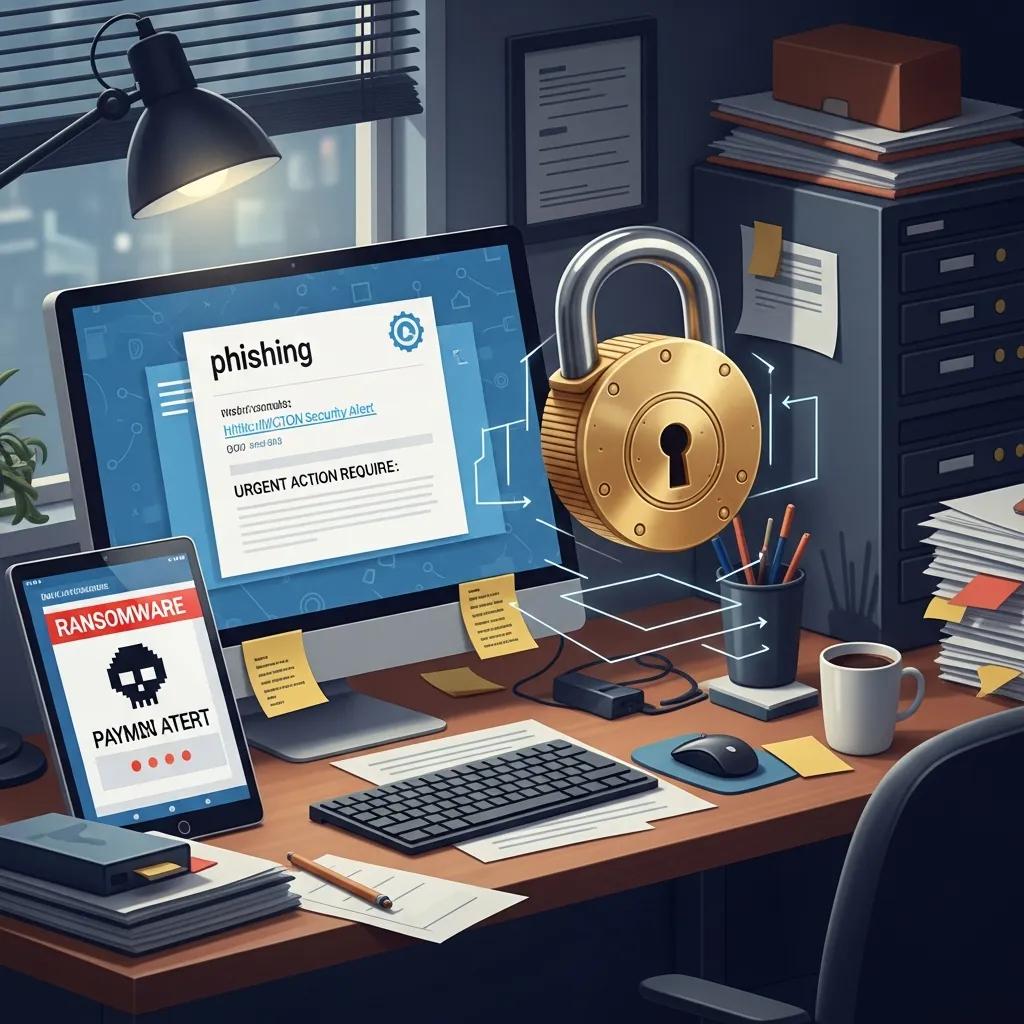
Small businesses in Baton Rouge are particularly vulnerable to various cyber risks, which can have devastating effects on their operations. Some of the most common cyber threats include:

  1. Data Breaches: Unauthorized access to sensitive customer information can lead to significant financial losses and legal liabilities.
  2. Ransomware Attacks: Cybercriminals may encrypt a business's data and demand a ransom for its release, disrupting operations and incurring recovery costs.
  3. Phishing Scams: These deceptive tactics trick employees into revealing sensitive information, potentially leading to unauthorized access to company systems.

Understanding these risks is crucial for small businesses to implement effective cybersecurity measures and consider appropriate insurance coverage.

The potential consequences of these cyber threats for small businesses are significant, often leading to substantial financial losses and even business closure.

Cyberattack Impact: Financial Loss & Business Closure for SMEs

Over the past decade, the number of cyberattacks affecting United States small- and medium-sized enterprises (SMEs) has increased substantially; with an average per-breach loss of $500,000 USD. Cyber-breaches most often result in business closure within 6 months of the breach.

Strategic cybersecurity risk management practices for information in small and medium enterprises, M Preiksaitis, 2022

How Cyber Insurance Protects Your Business

Cyber insurance plays a vital role in protecting businesses from the financial fallout of cyber incidents. It provides coverage for various expenses, including:

  • Data Recovery Costs: Insurance can cover the costs associated with restoring lost or compromised data, ensuring business continuity.
  • Legal Fees: In the event of a data breach, businesses may face lawsuits from affected customers. Cyber insurance can help cover legal expenses.
  • Notification Costs: Many states require businesses to notify customers in the event of a data breach, which can be costly. Insurance can help offset these expenses.

By having cyber insurance, small businesses can focus on recovery and rebuilding trust with their customers rather than worrying about the financial implications of a cyber incident.

Wahaya IT Solutions, an IT services provider focused on delivering comprehensive technology solutions to small businesses in Baton Rouge, emphasizes the importance of integrating robust IT security measures alongside cyber insurance. This dual approach not only enhances protection but also ensures that businesses are well-prepared to respond to potential threats.

Further research delves into the specific benefits and challenges that small to medium-sized enterprises encounter when leveraging cyber insurance to bolster their security posture.

Cyber Insurance Benefits & Challenges for SMEs

PurposeThis study aims to offer insights into the state of research covering cybersecurity, cyber insurance and small- to medium-sized enterprises (SMEs). It examines benefits of insurance to an SME’s security posture, challenges faced, and p

Cybersecurity, cyber insurance and small-to-medium-sized enterprises: a systematic

Review, R Adriko, 2024

Integrating IT Security with Cyber Insurance

Integrating IT security measures with cyber insurance is essential for small businesses to maximize their protection against cyber threats. Effective IT security practices can significantly reduce the likelihood of a cyber incident, which in turn can lower insurance premiums and improve coverage options. Key IT security measures include:

  • Regular Software Updates: Keeping software and systems up to date helps protect against vulnerabilities that cybercriminals may exploit.
  • Employee Training: Educating employees about cybersecurity best practices can reduce the risk of phishing attacks and other social engineering tactics.
  • Data Encryption: Encrypting sensitive data adds an extra layer of protection, making it more difficult for unauthorized users to access critical information.

By implementing these measures, businesses can create a more secure environment, which not only protects their assets but also enhances their cyber insurance coverage.

Cyber Insurance Claims Process Explained

Understanding the claims process for cyber insurance is crucial for small businesses to ensure they can effectively navigate any incidents that may arise. The typical steps in the claims process include:

  1. Incident Reporting: Businesses must promptly report any cyber incidents to their insurance provider to initiate the claims process.
  2. Investigation: The insurance company will investigate the incident to determine the extent of the damage and the validity of the claim.
  3. Claim Approval: Once the investigation is complete, the insurer will approve or deny the claim based on the policy terms and the findings of the investigation.

Being familiar with this process can help businesses respond quickly and efficiently in the event of a cyber incident, minimizing potential losses.

Choosing the Right Cyber Insurance Policy

Selecting the appropriate cyber insurance policy is essential for small businesses to ensure they have adequate coverage. When evaluating different policies, consider the following factors:

  • Coverage Limits: Assess the maximum amount the policy will pay for a claim and ensure it aligns with your business's potential exposure to cyber risks.
  • Types of Coverage: Look for policies that cover a range of cyber incidents, including data breaches, ransomware attacks, and business interruption.
  • Exclusions: Be aware of any exclusions in the policy that may limit coverage, such as specific types of cyber incidents or pre-existing vulnerabilities.

To help small businesses compare different cyber insurance policies, the following table outlines key attributes of various options:

Policy TypeCoverage TypeCoverage LimitPremium Cost
BasicData Breach$1,000,000$1,200
StandardData Breach + Ransomware$2,000,000$2,500
ComprehensiveAll Cyber Risks$5,000,000$5,000

This comparison highlights the importance of selecting a policy that meets the specific needs of your business while providing adequate financial protection against cyber threats.

Local Baton Rouge Cybersecurity Regulations and Compliance

Small businesses in Baton Rouge must also be aware of local cybersecurity regulations and compliance requirements. These regulations often dictate how businesses should handle sensitive customer information and respond to data breaches. Key regulations include:

  • Louisiana Data Breach Notification Law: This law requires businesses to notify affected individuals within a specific timeframe following a data breach.
  • Federal Regulations: Depending on the industry, businesses may also need to comply with federal regulations, such as HIPAA for healthcare providers or PCI DSS for businesses that handle credit card transactions.

Understanding these regulations is crucial for small businesses to ensure compliance and avoid potential legal penalties.